care · silver
Why does silver tarnish, and how do you clean it safely?
Tarnish isn't a sign of poor quality. Here's what causes it, three safe ways to clean sterling silver at home and the habits that keep it bright.
Hilal Jewelry · 21 October 2026

If your silver has gone dull or darker, it isn't a sign that it's fake or poor quality. Tarnish is something real silver does. The good news is that it's easy to remove and even easier to slow down.
What causes tarnish?
Silver reacts with sulphur compounds in the air and forms a thin layer of silver sulphide on the surface. That layer is what looks grey or black. These speed it up:
- humidity, including storing jewellery in the bathroom
- perfume, deodorant, body lotion and hairspray
- sweat and natural skin oils
- chlorinated pool water and sea water
- rubber, wool and some cardboard packaging
The small amount of copper in 925 silver plays a part too. Interestingly, pieces you wear every day often tarnish more slowly: contact with skin and fabric polishes them as you go.
How to clean silver
A silver polishing cloth
For light tarnish, start here. Polishing cloths are treated to lift oxidation without scratching. Rub gently in one direction and avoid pressing on stone settings.
Warm water and mild soap
Add a few drops of mild washing-up liquid to a bowl of warm water and soak the piece for a few minutes. Use a soft toothbrush to work gently between chain links, rinse well and dry thoroughly with a soft towel. Silver put away damp tarnishes faster.
Baking soda and aluminium foil
For heavy tarnish, line a bowl with aluminium foil, add a tablespoon of baking soda and a teaspoon of salt, then pour in hot water. Lay the silver on the foil for a few minutes, then rinse and dry. This reverses tarnish chemically. Don't use it on pieces with stones or pearls, on deliberately oxidised designs, or on anything plated.
What to avoid
- Toothpaste: it's abrasive and leaves fine scratches that dull the surface for good.
- Bleach and harsh chemicals: they damage both silver and stones.
- Scrubbing plated pieces: gold, rose and rhodium plating should only be wiped with a soft cloth.
- Soaking pearls or natural stones: pearls absorb water; wipe them with a damp cloth instead.
How to store silver
Keep silver dry and closed away, with each piece in its own pouch or compartment so nothing scratches. A small silica gel sachet in the box absorbs moisture. Put jewellery on after perfume and lotion, and take it off before showering, swimming or the beach. We cover water in more detail in can you shower or swim in your jewellery?
Does rhodium plating stop tarnish?
It covers the silver and slows tarnish considerably, adding a whiter shine. Over time it can wear on areas that rub, and a jeweller can re-plate it.
Looking for everyday pieces? Browse our silver necklaces and silver bracelets.
From the collection
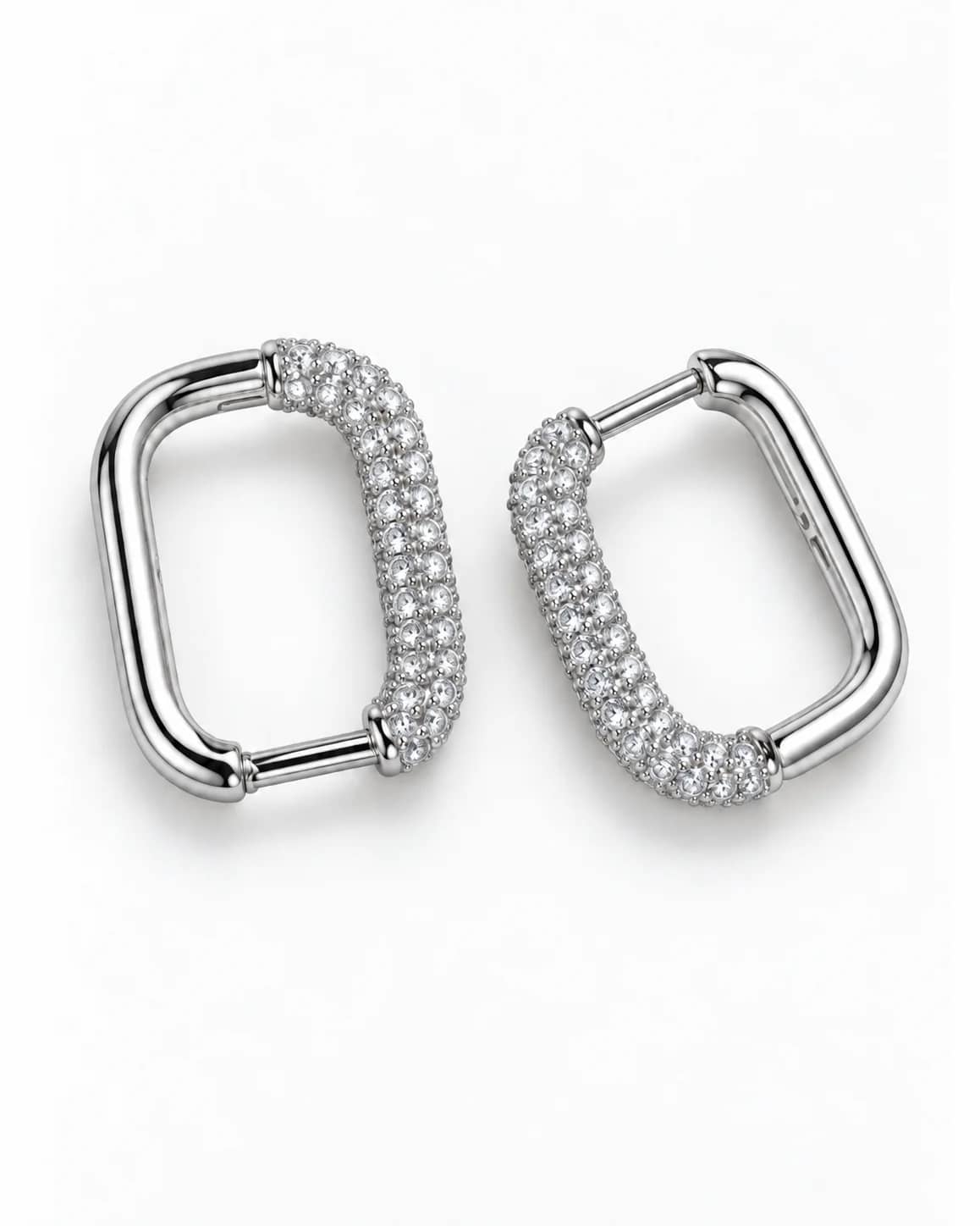 %30New
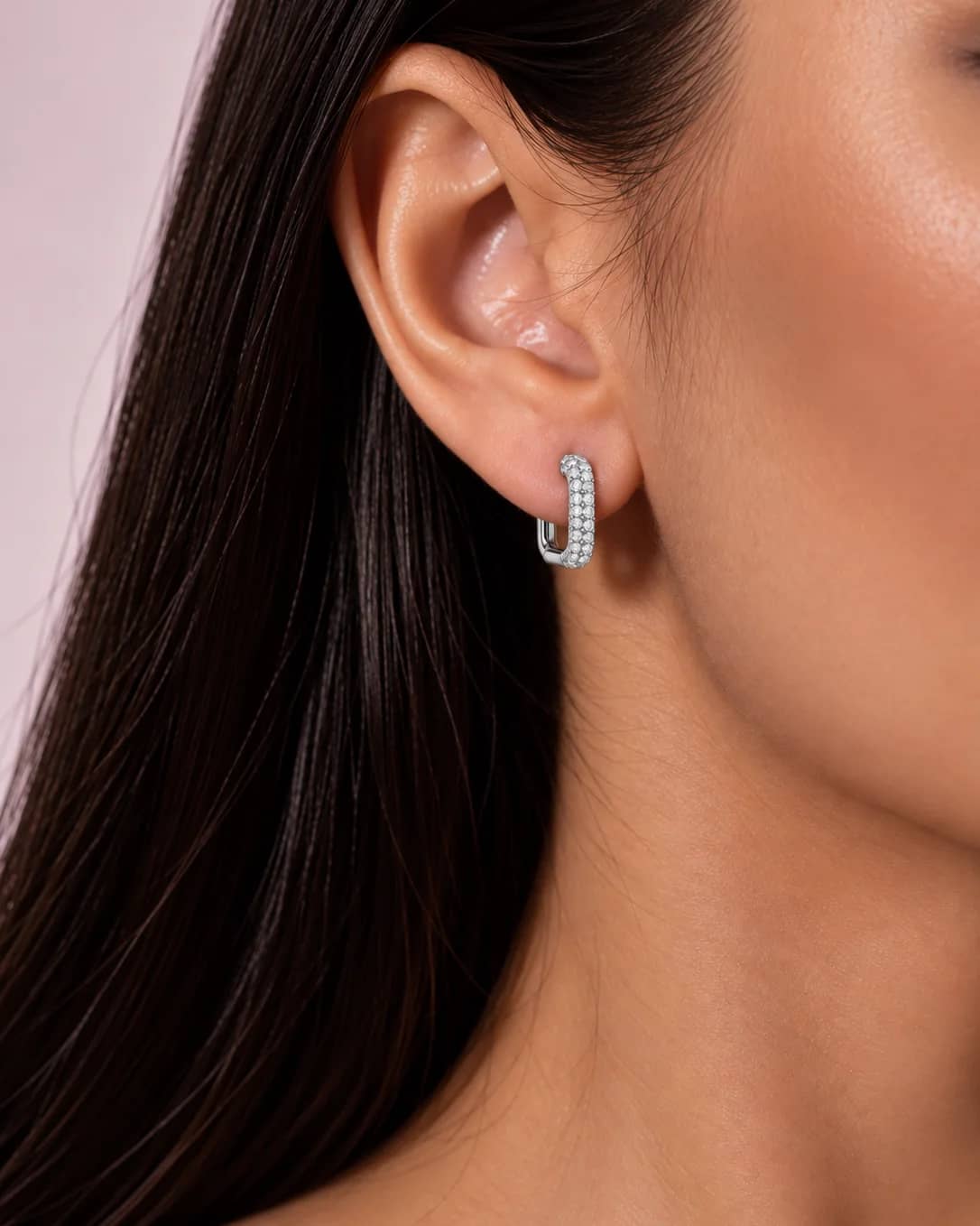
Sparkling Zircon Rectangular Hoop Earrings
Previous price: TRY 2,700November priceSale price: TRY 1,900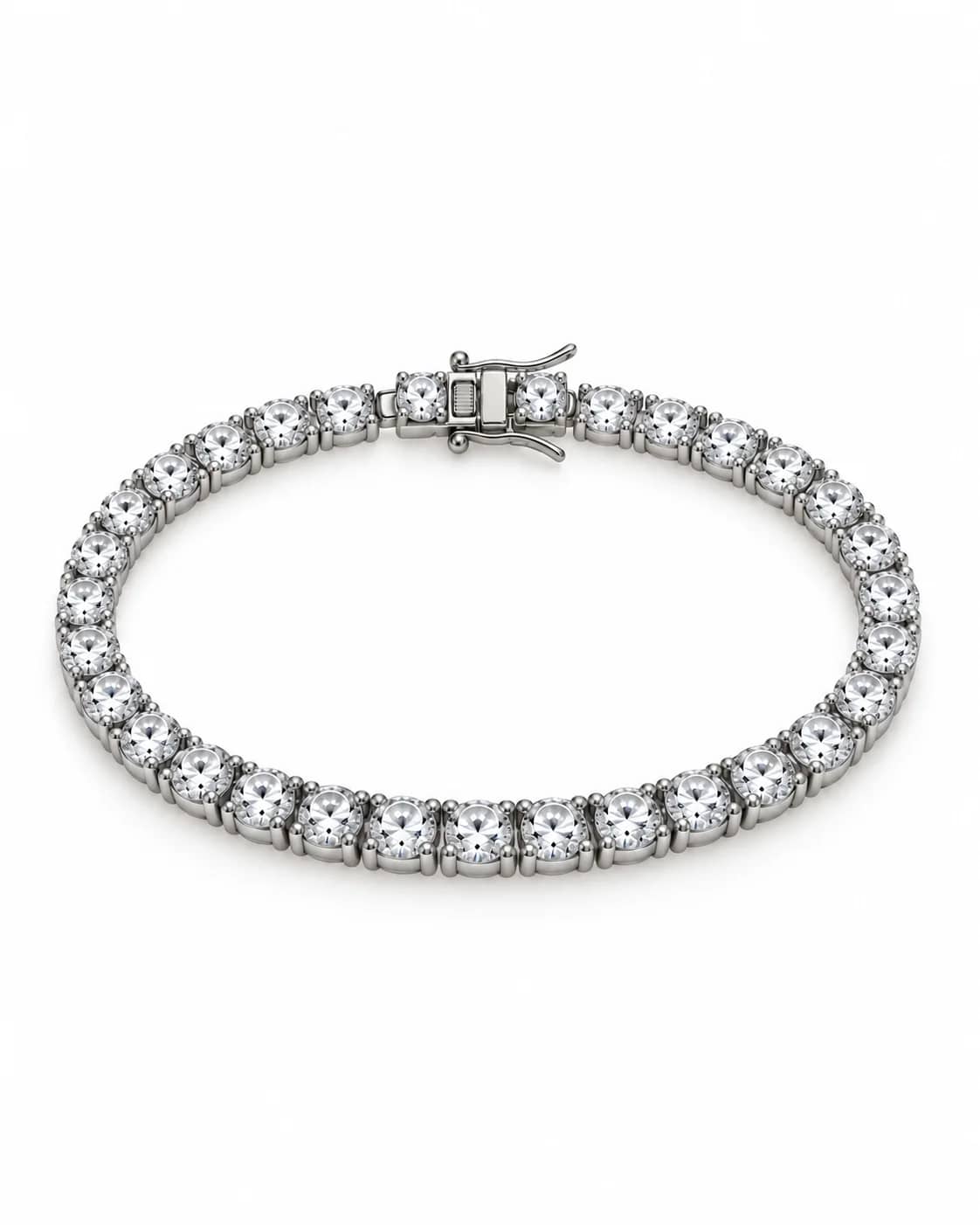 %48New
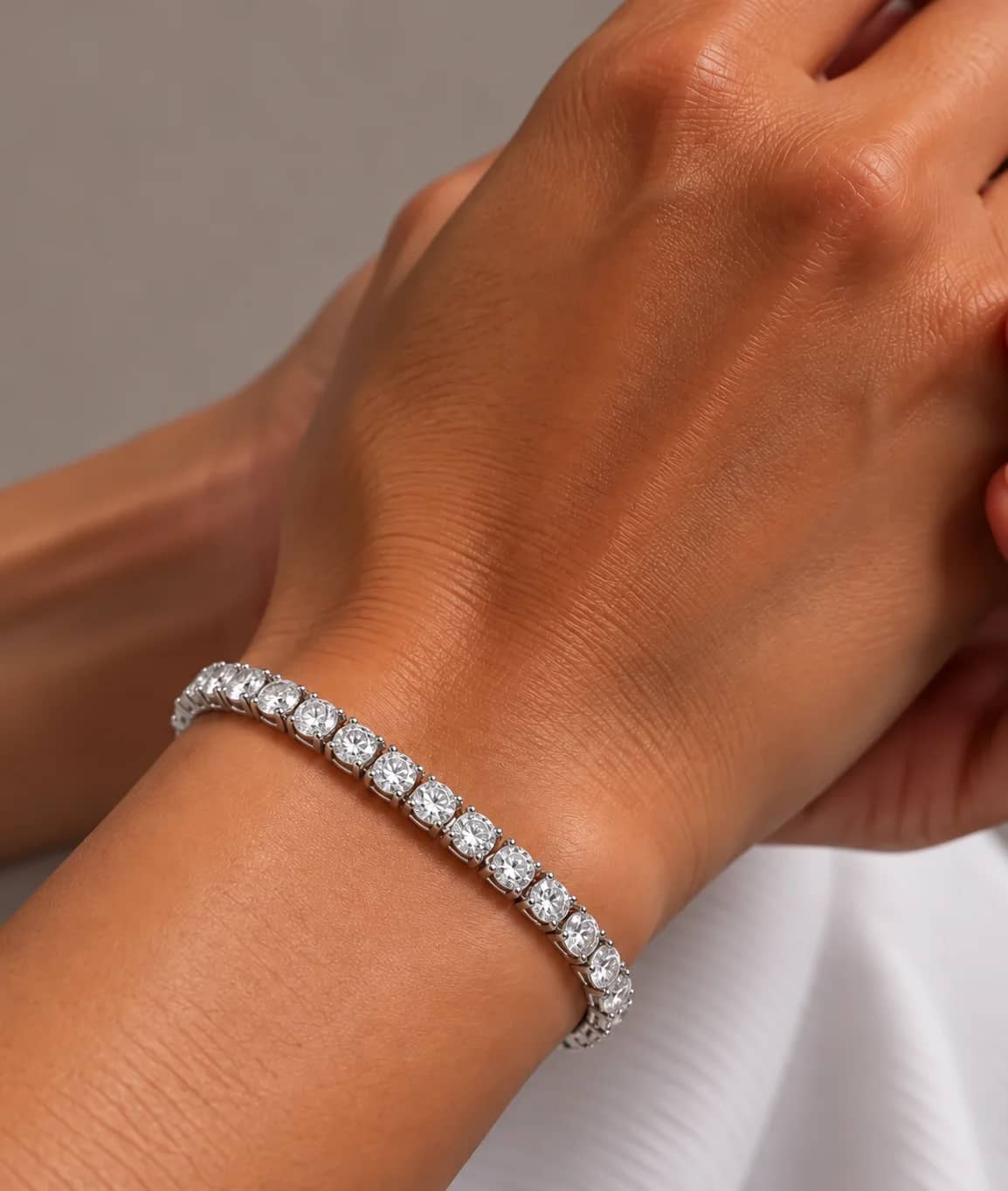
Klasik Su Yolu Zirkon Beyaz Altın Kaplama Gümüş Bileklik - 3,5 mm
Previous price: TRY 8,000November priceSale price: TRY 4,200Only 1 left
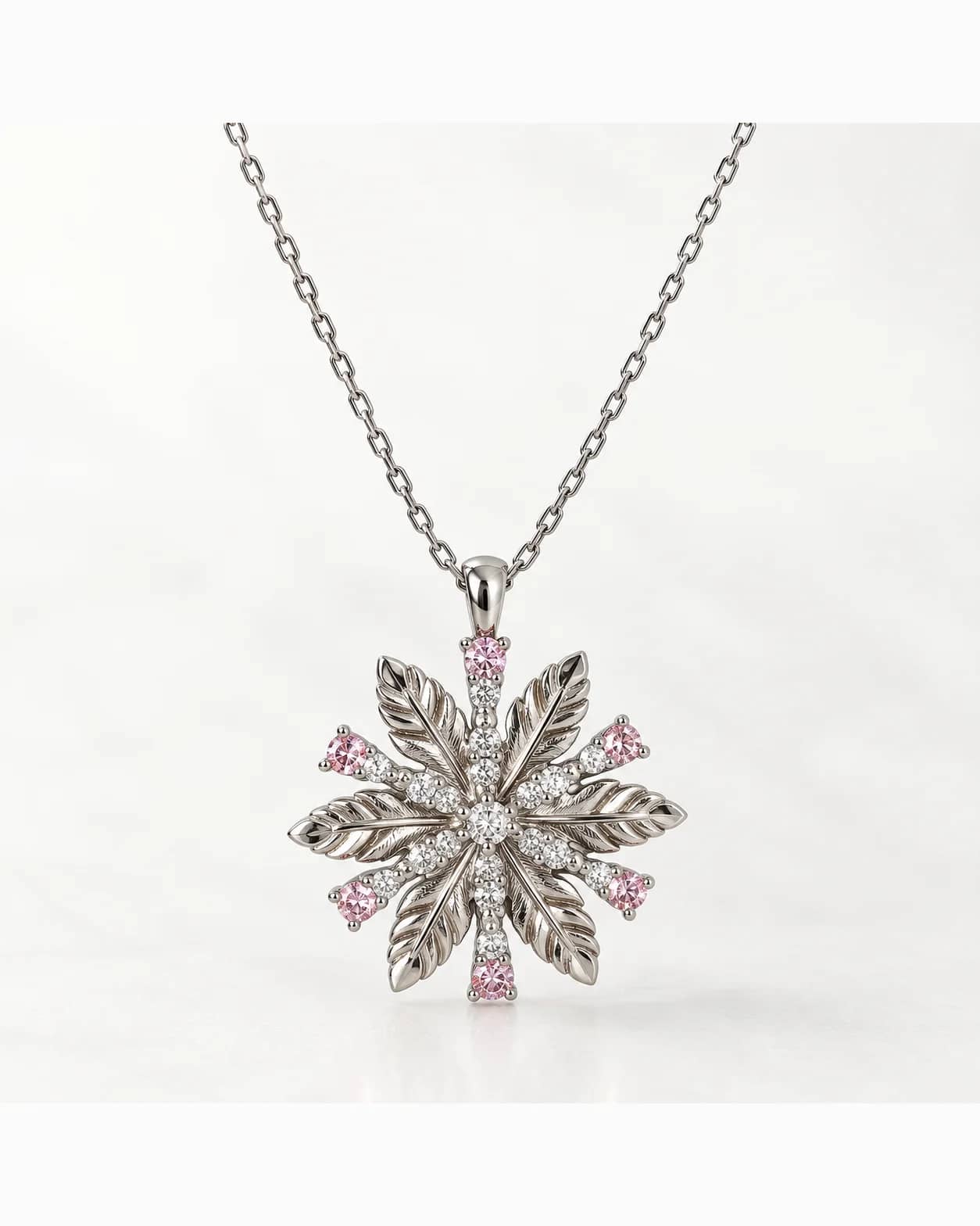 %10New
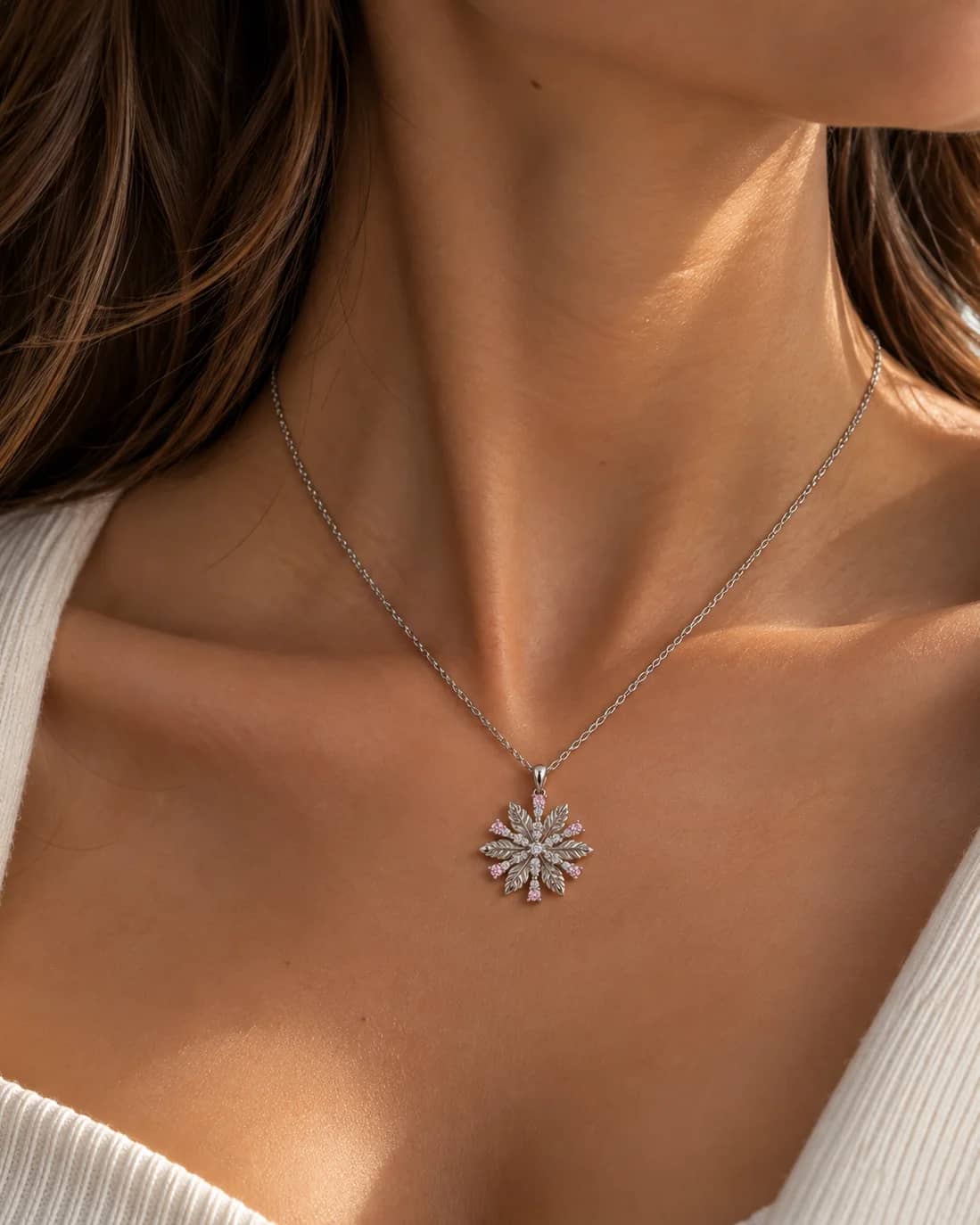
Sparkling Snowflake Zircon Silver Necklace
Previous price: TRY 2,100November priceSale price: TRY 1,900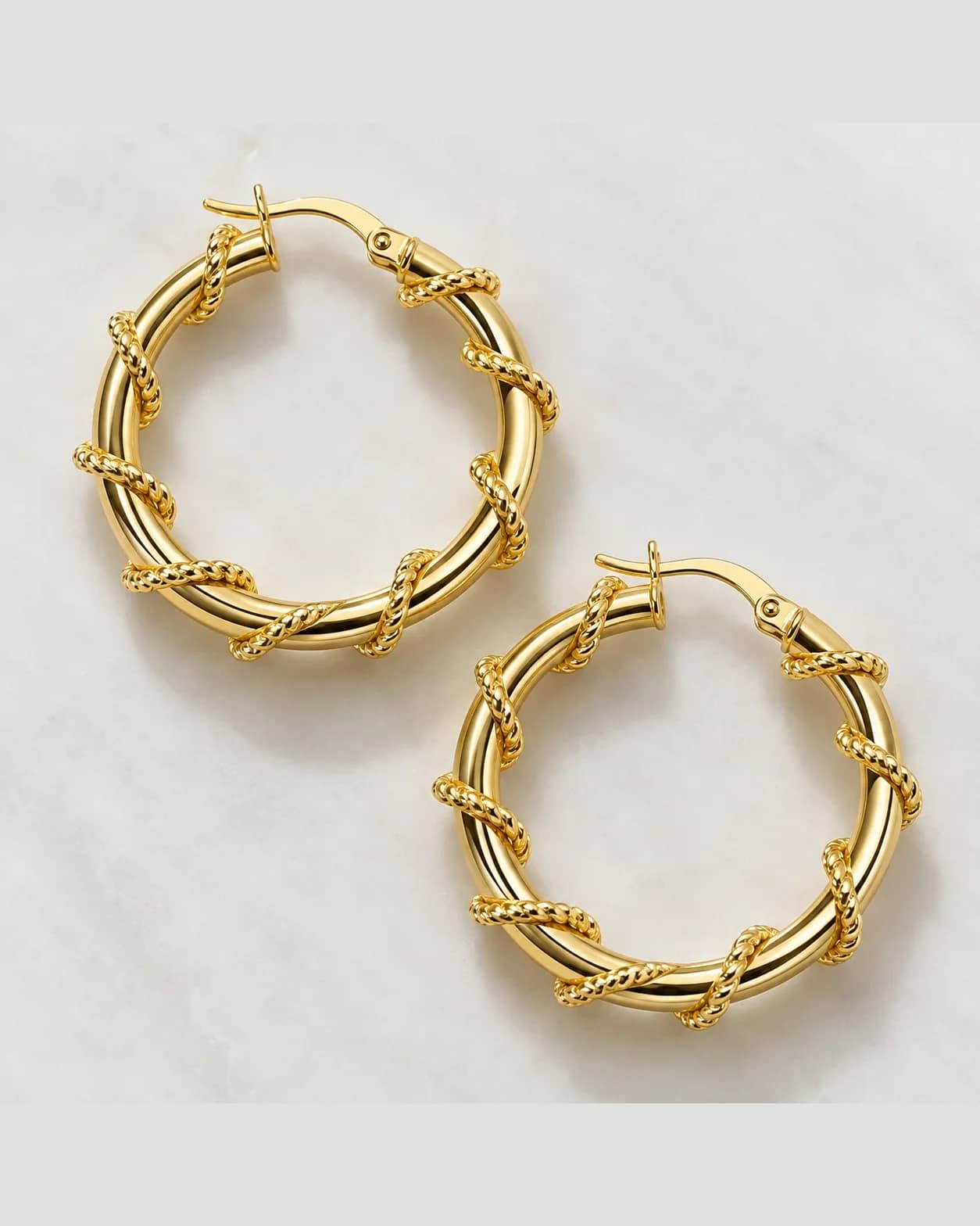 %17New
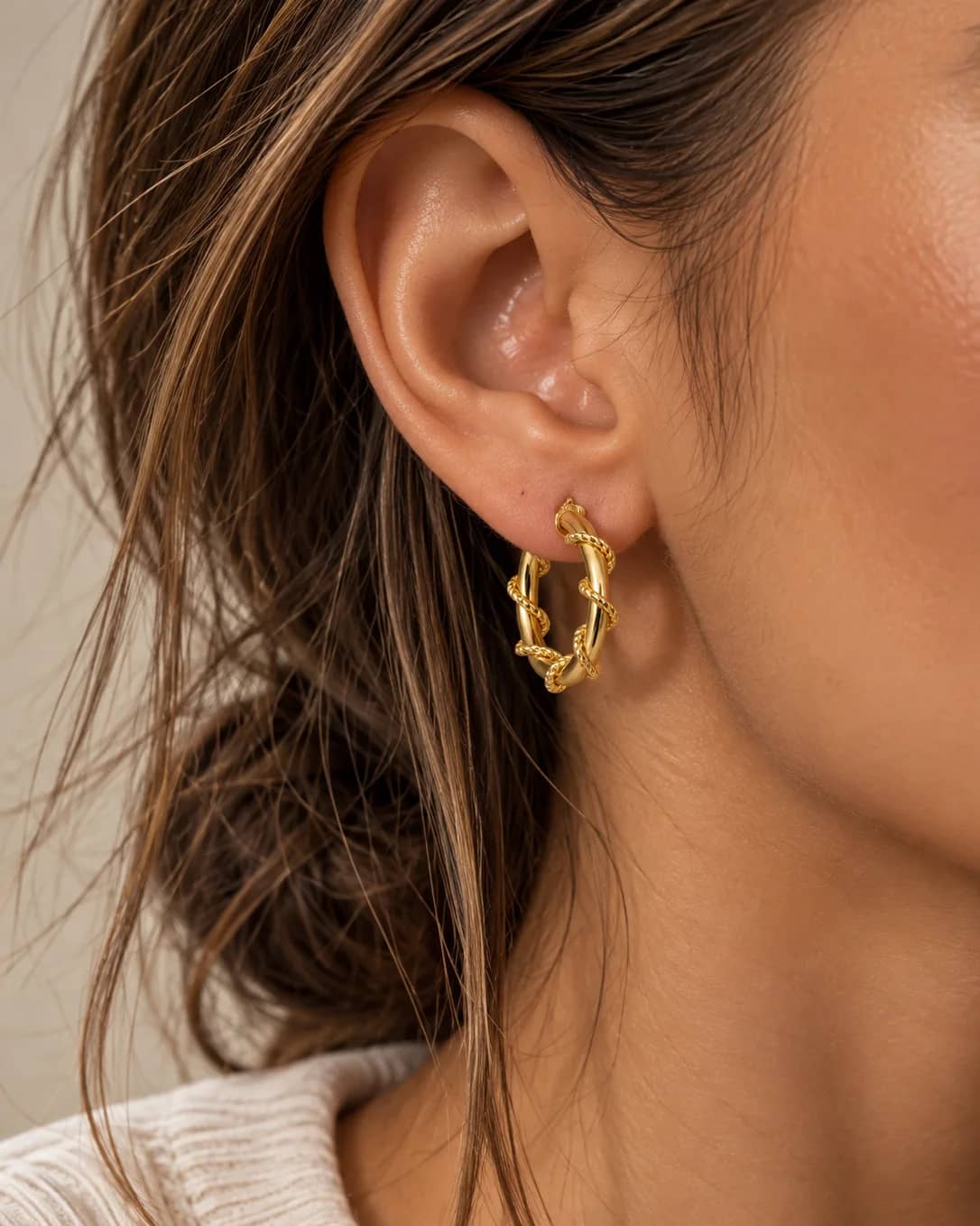
Twisted Spiral Gold Hoop Earrings – Medium
Previous price: TRY 4,500November priceSale price: TRY 3,750Only 2 left
 %18New
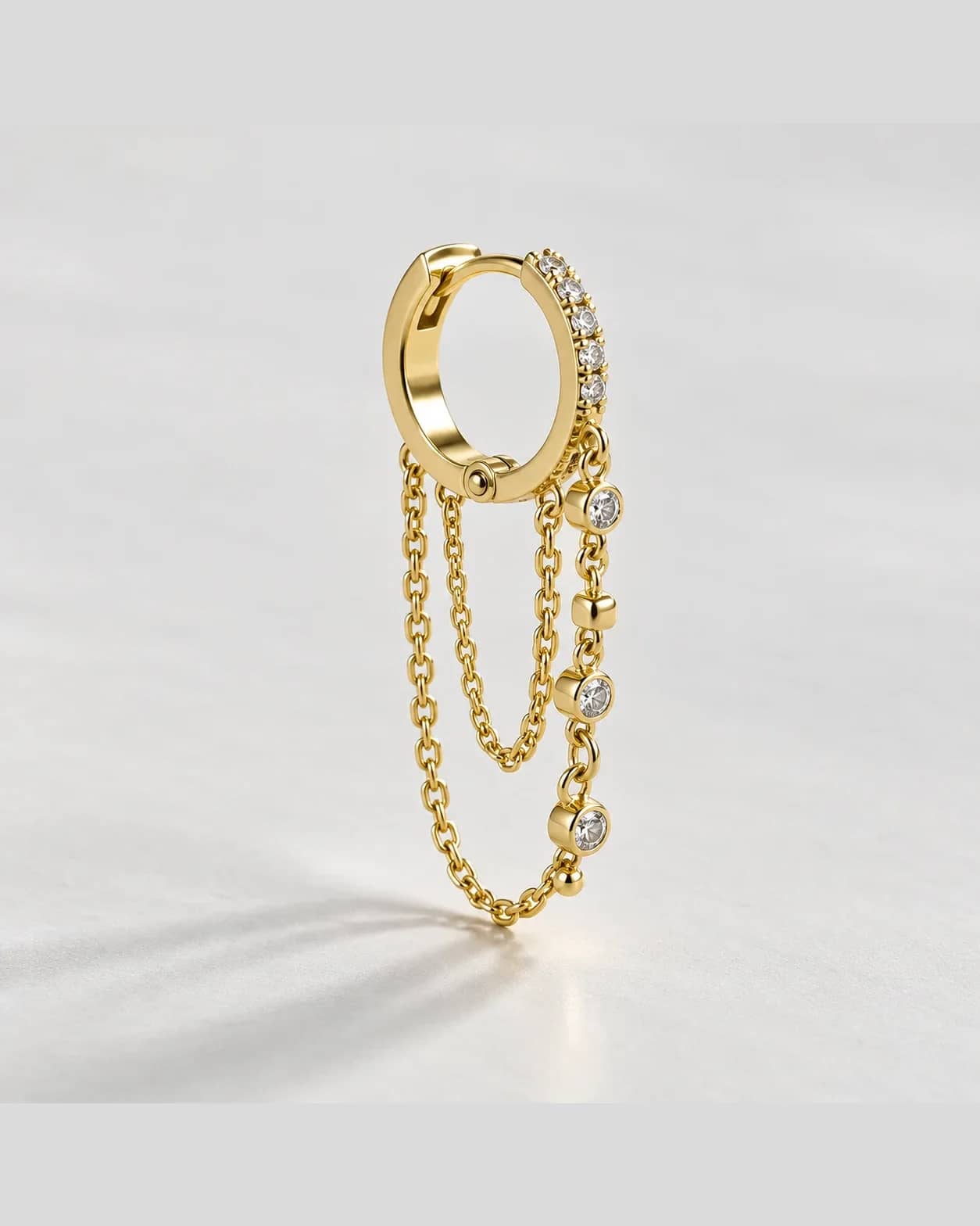
Sparkling Zircon Multi-Chain Drop Gold Hoop Earring
Previous price: TRY 1,100November priceSale price: TRY 900Only 1 left
 %53New
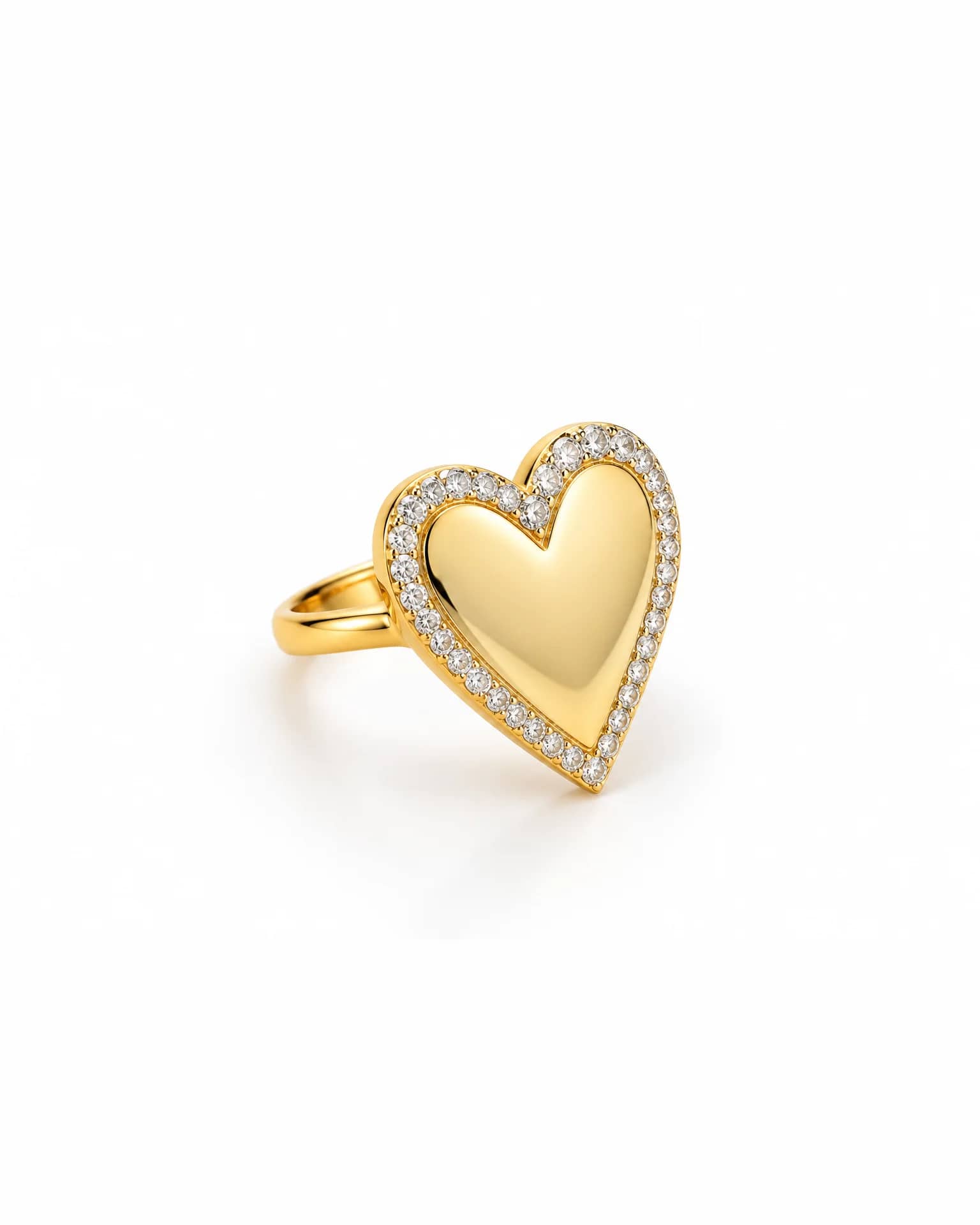
Sparkling Zircon Heart Gold Ring
Previous price: TRY 2,200November priceSale price: TRY 1,045Only 1 left
 %53New
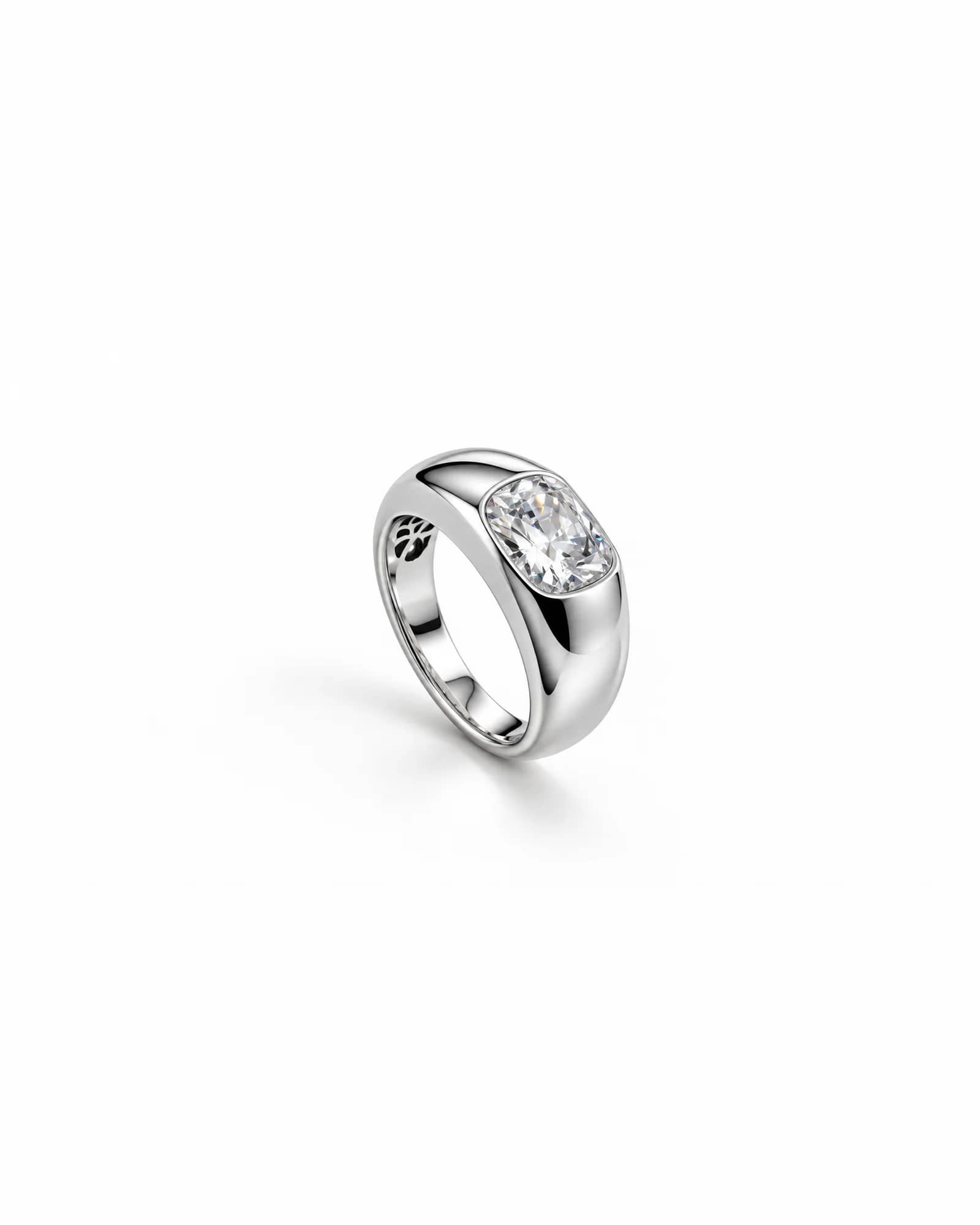
Square Solitaire Domed Silver Ring
Previous price: TRY 3,000November priceSale price: TRY 1,425Only 1 left
 %52New